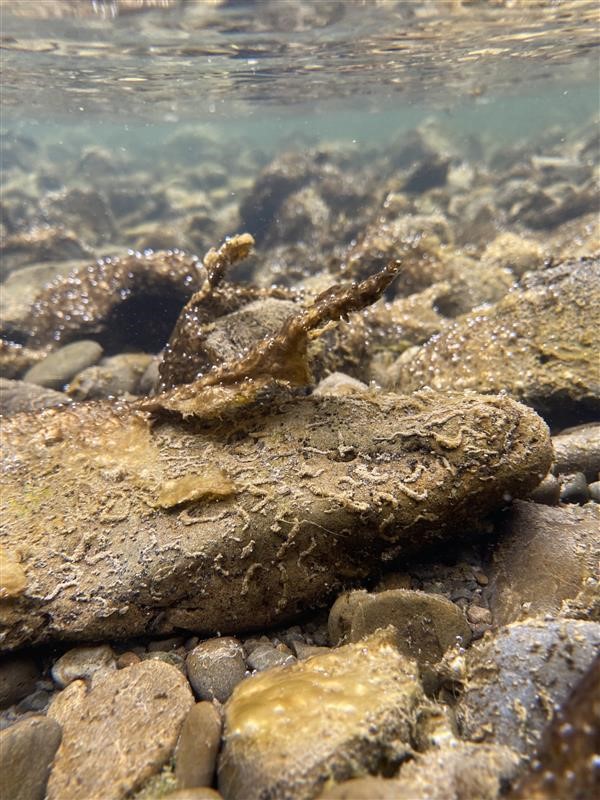
Red alert level warnings are in place for the Waikanae River, Ruamāhanga River, Waipoua River and Te Awa Kairangi (Hutt River) due to toxic algae levels. Greater Wellington advises people not…

Toxic algae will be monitored in Wairarapa Moana this summer to ensure the water is safe for recreational activities. Greater Wellington’s summer monitoring programme tests the quality of waterways around the region and issues warnings when toxic algae levels are high.
A red level warning for Wairarapa Moana was issued in March this year says Greater Wellington’s senior advisor for integration and insights, Penny Fairbrother.
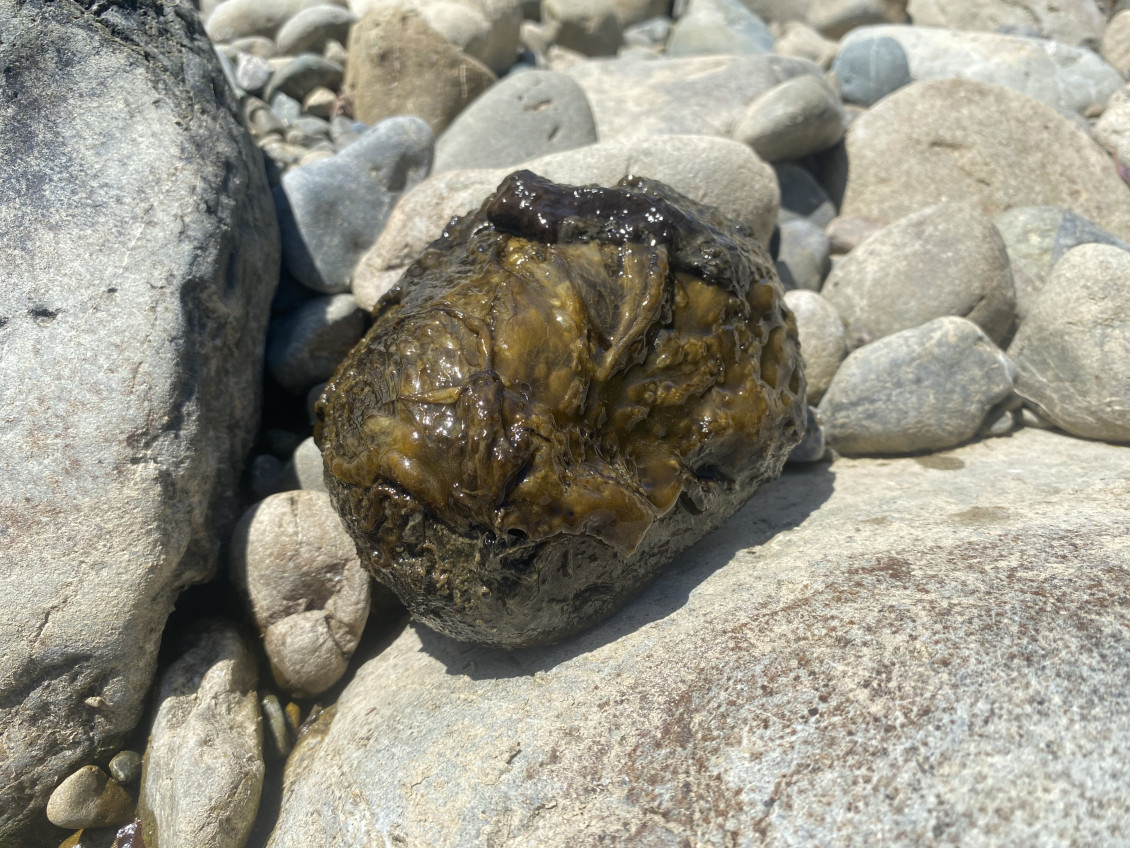
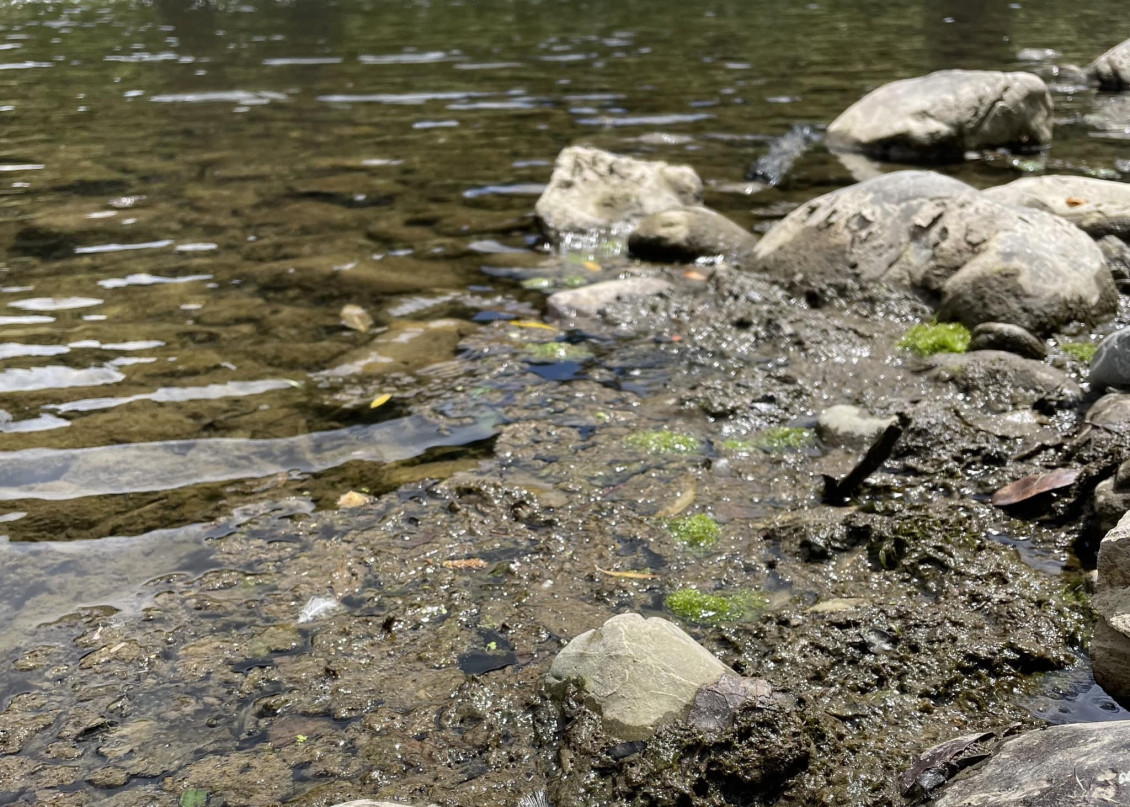
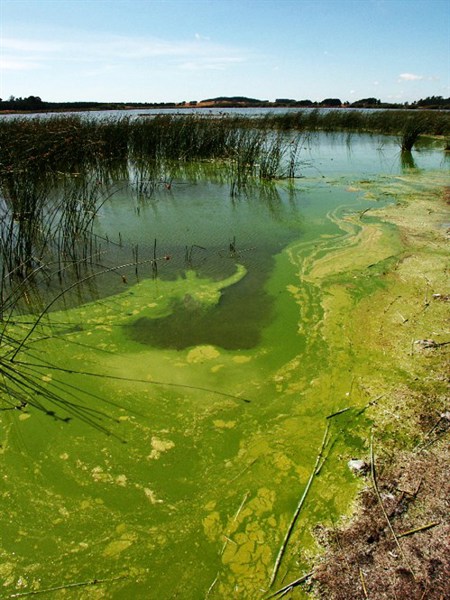
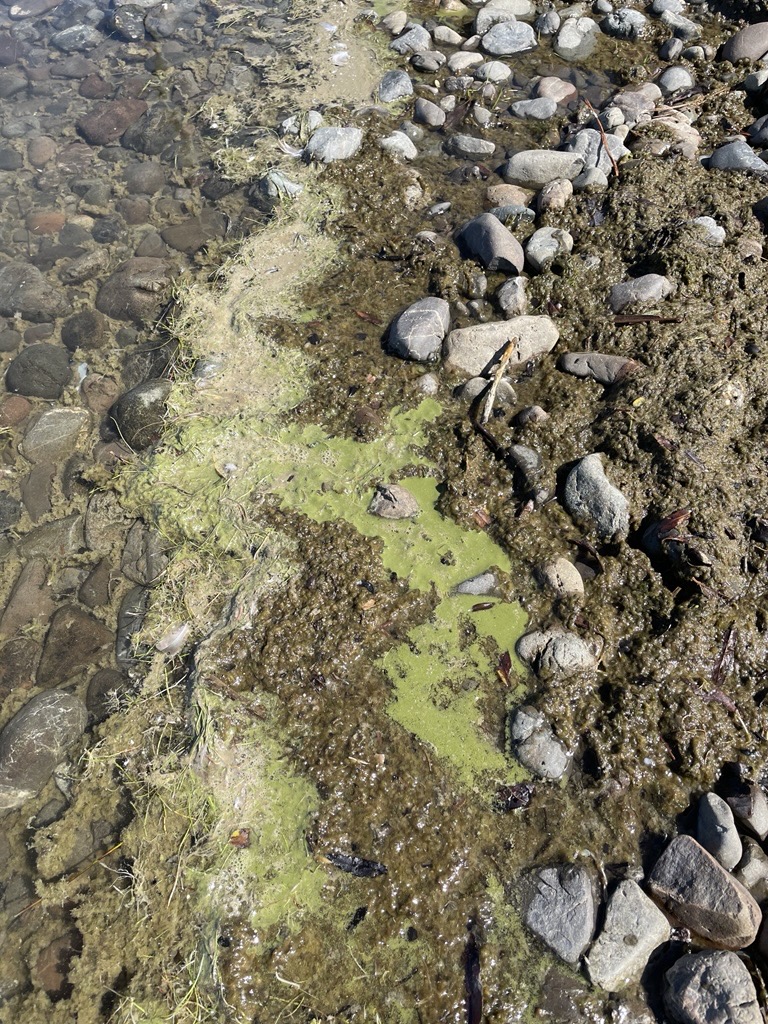
“Toxic algae in lakes looks very different to what we see in rivers. Rather than growing as velvety black mats on rocks in the riverbed, toxic algae in lakes is free floating and can make the water look bright green like pea soup,” says Fairbrother.
“If water with toxic algae in it is swallowed, it can make both people and animals very sick and potentially cause death. Inhaling water aerosols (for example through splashing) or direct contact with skin can also cause issues such as respiratory issues and skin irritations.”
Wairarapa Moana will be monitored weekly by student interns working with Greater Wellington, along with the usual river sites around the region.
The data will be available on the ‘Can I swim here?’ page on the Land Air Water Aotearoa (LAWA) website and ‘Kia tūpoto – Warning’ signs will be put out at the lake at several locations in case of a major bloom/high levels that make the water unsafe for human or animal contact.
Alerts will also be issued on Greater Wellington’s social media and website.
Always check it’s safe to swim before you visit a river, beach or lake at LAWA.
For more information on toxic algae, visit our toxic algae page.
Red alert level warnings are in place for the Waikanae River, Ruamāhanga River, Waipoua River and Te Awa Kairangi (Hutt River) due to toxic algae levels. Greater Wellington advises people not…
Possums are threatening Greytown’s leafy heritage, and Greater Wellington is calling for local homeowners to help protect trees and wildlife by allowing traps to be installed in their gardens. Arbor…
It’s hoped a population of about 25 tītipounamu/rifleman, translocated to Waterfall Road Bush near Paraparaumu, will fill a tītipounamu-sized hole in the ecosystem and spread to other important ecological areas…