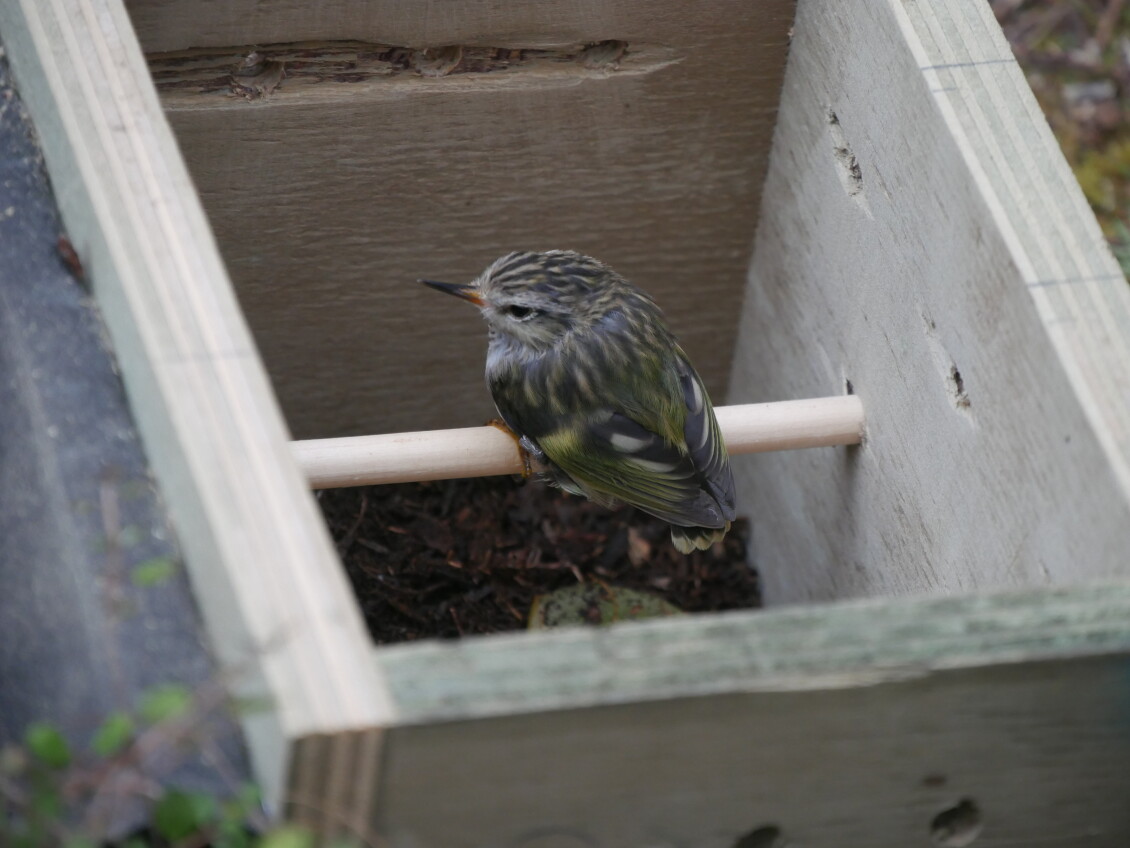
It’s hoped a population of about 25 tītipounamu/rifleman, translocated to Waterfall Road Bush near Paraparaumu, will fill a tītipounamu-sized hole in the ecosystem and spread to other important ecological areas…

Greater Wellington is responding in a number of ways to the incident at the Moa Point Wastewater Treatment Plant (WWTP), including undertaking a formal investigation. As the investigation is ongoing, we are unable to comment on any specifics including the discharge event or potential actions. This is to ensure the process remains impartial and evidence-based without influence.
Greater Wellington operates across several distinct but related roles in relation to the incident at Moa Point Wastewater Treatment Plant. One of our statutory responsibilities as a council is being the environmental regulator.
In direct response to the incident, we have activated a formal investigation and have multiple teams across our organisation working together as part of that investigation.
We issue resource consents for the activity (discharge of contaminants to water and air).
We monitor compliance with the conditions of any consent granted – this is a strategic programme based on risk. Wastewater treatment plants are considered high risk and are actively monitored by us.
We run a 24/7 incident response service – responding to ‘pollution incidents’ that are reported to us. Members of the public can ring 0800 496 734 to report incidents.
We deal with any non-compliances/breaches found either through our compliance programme, or our incident response (noting that certain discharges are authorised through existing resource consents).
Wellington City Council hold resource consents (which include several consent conditions) for discharging contaminants to water and air from the Moa Point WWTP. Wellington Water maintains the Moa Point WWTP with operational support from Veolia. Wellington Water, Veolia and Wellington City Council as the consent holder are responsible for operating and maintaining the WWTP and ultimately ensuring it is compliant.
We actively monitor compliance with the resource consent and its conditions for the Moa Point WWTP and issue annual compliance reports. These are published on the Wellington Water website at Moa Point Wastewater Treatment Plant under Consent Compliance Reports.
Greater Wellington does not have the authority to carry out the required works ourselves.
If breaches are identified, we can use our enforcement tools to encourage, and in some cases direct, the operators and consent holder to get back into compliance.
We are unable to comment on potential actions at this stage, as these will be determined by the outcome of our investigation. More information on our compliance monitoring and enforcement policy, including our enforcement ‘tools’ can be found here:
date_range Published 09 Jul 2024
Download now (PDF 13 MB) get_appGreater Wellington independently monitors the environment, including coastal and marine water quality, plume assessment, odour, and ecological impacts such as effects on wildlife and public health indicators. This work informs both our regulatory response and public health advice and is separate from monitoring undertaken by Wellington Water as the consent holder.
As the regional council, we are responsible for protecting and managing the coastal marine area. This includes advising public health officials on monitoring results and kaimoana (seafood) gathering risks and supporting warnings or access restrictions when required.
The Harbourmaster oversees navigational safety and maritime risk in affected coastal waters. While Greater Wellington does not operate the wastewater infrastructure, the Harbourmaster becomes involved where discharges may affect safe use of the harbour or nearby boat ramps.
Greater Wellington’s current priority is the investigation into this incident. This involves working closely with Wellington Water to ensure the response prevents and mitigates further environmental harm and protects public health from the impacts of the discharge.
The findings of the investigation will guide any subsequent actions.
As of 25 February 2026, public health warnings have been lifted for much of the South Coast. It’s now safe to enjoy the beach and swim close to shore from Ōwhiro Bay through to Breaker Bay.
Tarakena Bay remains closed, and people should continue to avoid the area because of its proximity to the short outfall pipe.
Please keep in mind that during or after wet weather, the short outfall pipe may release untreated, unscreened wastewater. If the short outfall is used, the LAWA website will continue to provide up to date information about which beaches are safe to swim at along the South Coast. As a general rule, LAWA advises staying out of the water for 48 hours after heavy rain.
Please ensure you are following the guidance from Wellington Water and Wellington City Council.
Safe to swim information can be found at the LAWA website.
If you find sick or dying animals, please follow Department of Conservation’s advice: Sick, injured or dead wildlife: Native animals.
For all other environmental concerns and incidents please follow our reporting guidance here or call our incident hotline 0800 496 734.
It’s hoped a population of about 25 tītipounamu/rifleman, translocated to Waterfall Road Bush near Paraparaumu, will fill a tītipounamu-sized hole in the ecosystem and spread to other important ecological areas…
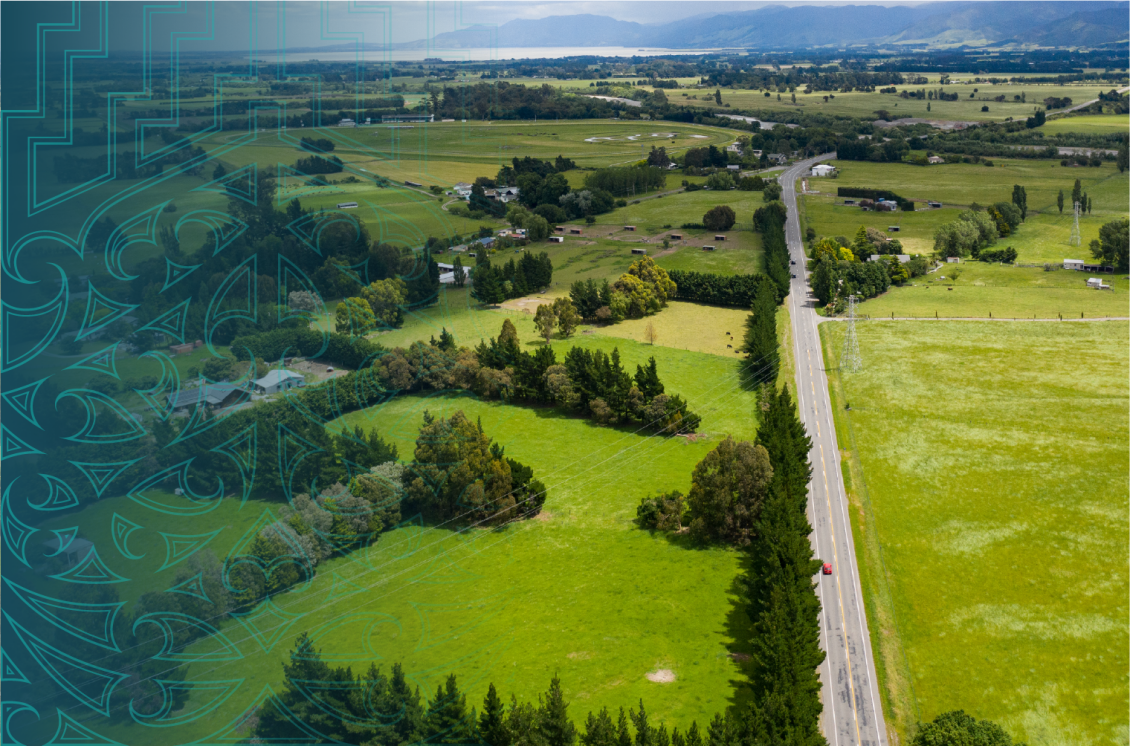
Greater Wellington is urging the Government to strengthen the Natural Environment and Planning Bills, warning that – without vital amendments – the proposals risk weakening environmental safeguards, undermining Treaty obligations,…
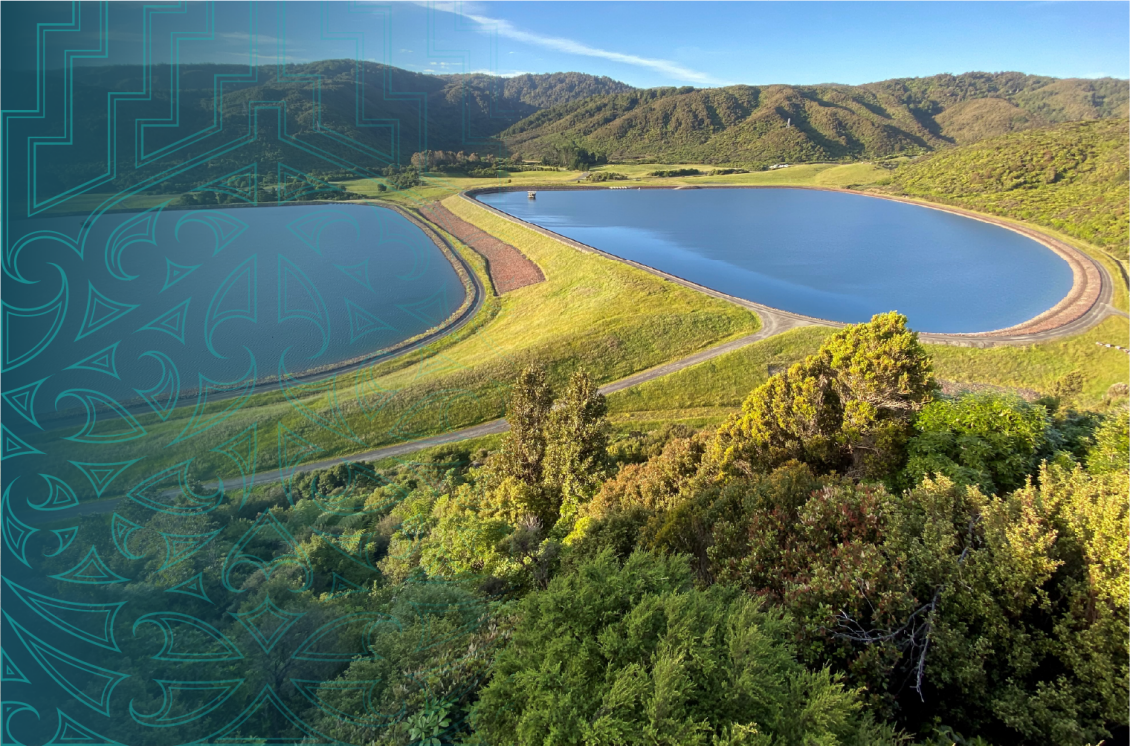
Wairarapa locals are being called upon to help shape the future of the rivers in the Ruamāhanga catchment by applying to be part of one of three River Advisory Groups. The…