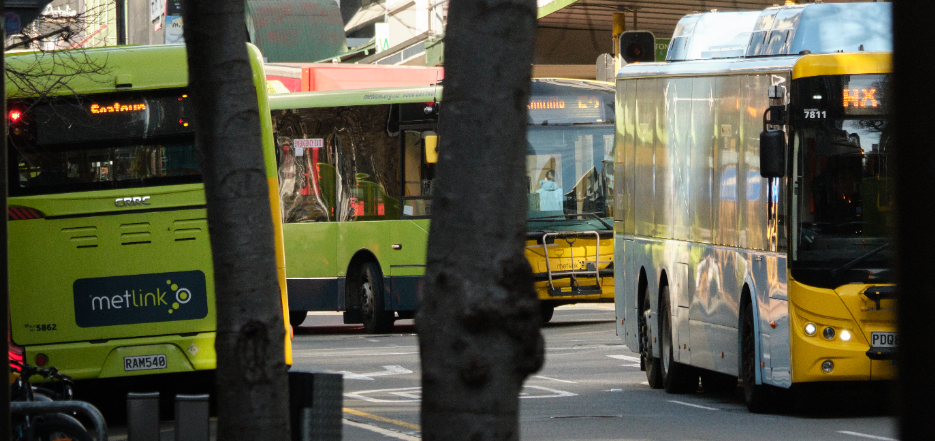
Greenhouse gas emissions from Metlink’s bus fleet are 25 per cent lower than in 2019, while nitrogen oxide emissions have fallen by almost half, as the region continues its transition…

More than 700,000 native plants planted, a record 3.6 million public transport trips in a single month, and strong growth in native bird populations are among the highlights of Greater Wellington's performance over the past year.
The results, detailed in Greater Wellington's 2025/26 Annual Report, reflect a year of continued delivery at a time when many households and businesses faced rising costs and economic uncertainty, and councils across New Zealand navigated a period of significant local government reform.
Greater Wellington Chair Daran Ponter said the achievements demonstrate the breadth of work taking place across the region every day.
"From restoring waterways and planting native forests to supporting record numbers of people on public transport, these results have a direct impact on the quality of life people enjoy across the Wellington Region.
"They show what's possible when councils, mana whenua, community groups, landowners, volunteers and residents work together towards shared goals."
One of the year's standout achievements was the planting of more than 700,000 native plants across the region, more than double the previous year's record of 320,000.
"Planting on this scale helps restore biodiversity, improve water quality and build resilience to climate change. It's an investment that will continue delivering benefits for decades to come," Cr Ponter said.
Public transport patronage also reached new heights, with 3.6 million trips recorded in March 2026, the highest monthly total since 2019.
"Growing passenger numbers show the benefits of continued investment in public transport across the region. This year we introduced contactless payments, progressed accessibility improvements, reached a major milestone for the new battery-electric Tūhono train fleet, and invested in higher-capacity electric buses to help meet growing demand," Cr Ponter said.
The Annual Report also highlights significant biodiversity gains through Predator Free Wellington, showing a 550 per cent increase in kōtare (kingfisher) and a 400 per cent increase in pīwakawaka (fantail) since monitoring began.
"These increases are a powerful reminder that native species can recover and thrive when we invest in protecting and restoring their habitats. It's one of the clearest examples of the difference collective action can make."
Progress was also made to improve freshwater ecosystems, with 44 fish passage improvements delivered across the region this year, including several major structural upgrades that help reconnect waterways and support native fish migration.
"Healthy rivers and streams are vital to the wellbeing of our communities and environment. Improving fish passage is practical work that helps restore natural ecosystems and supports the long-term health of our freshwater environments."
Together, these achievements reflect Greater Wellington's ongoing commitment to delivering essential services, supporting thriving communities and protecting the natural environment that makes the Wellington Region unique.
"While there is always more work to do, these results show how regional investment is delivering tangible benefits for the people and places that make our region special," Cr Ponter said.
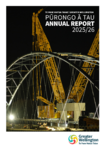
Read the Greater Wellington Annual Summary Report:
date_range Published 12 Nov 2026
Download now (PDF 16 MB) get_app
Greenhouse gas emissions from Metlink’s bus fleet are 25 per cent lower than in 2019, while nitrogen oxide emissions have fallen by almost half, as the region continues its transition…
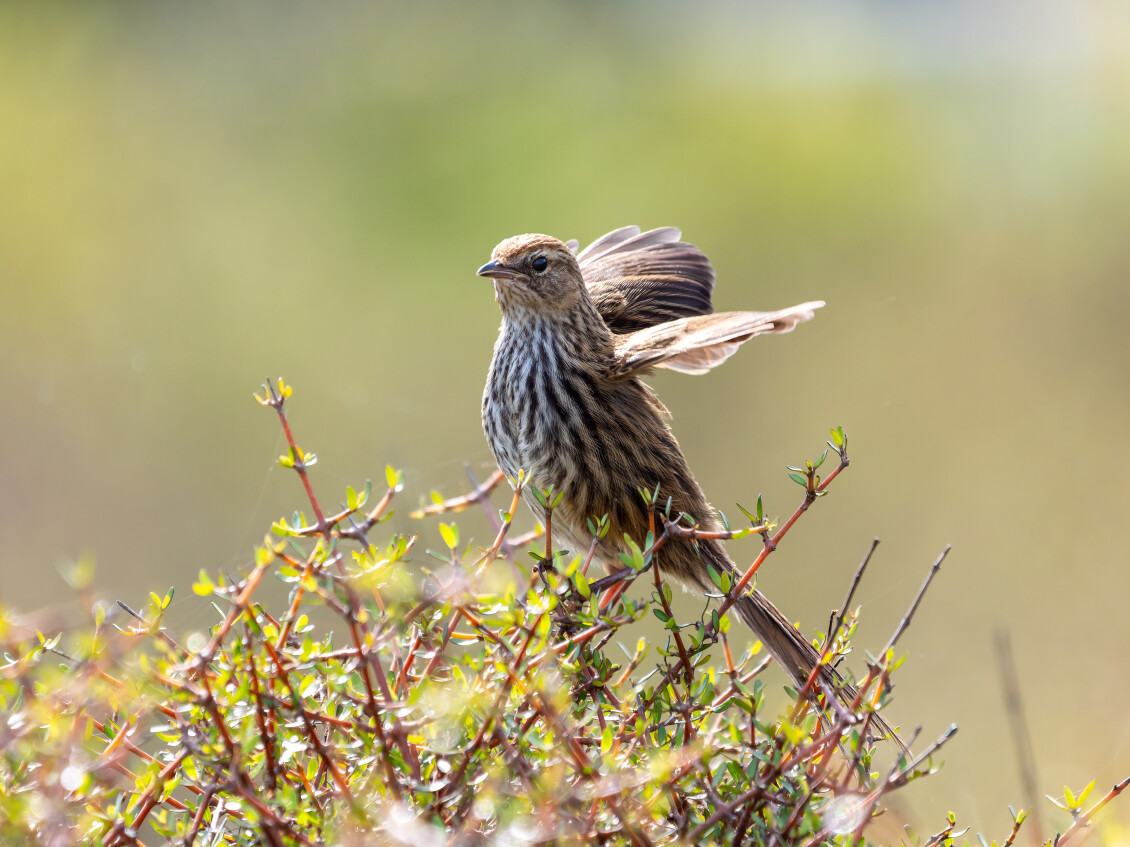
A native bird classified as regionally Threatened: Vulnerable has been discovered at Parangarehu Lakes after around 70 years without recorded sightings, highlighting the importance of ongoing efforts to protect and…
All Metlink trains will be replaced by buses over Labour Weekend, when major infrastructure upgrades are progressed as part of work to strengthen and build resilience into the rail network. From…