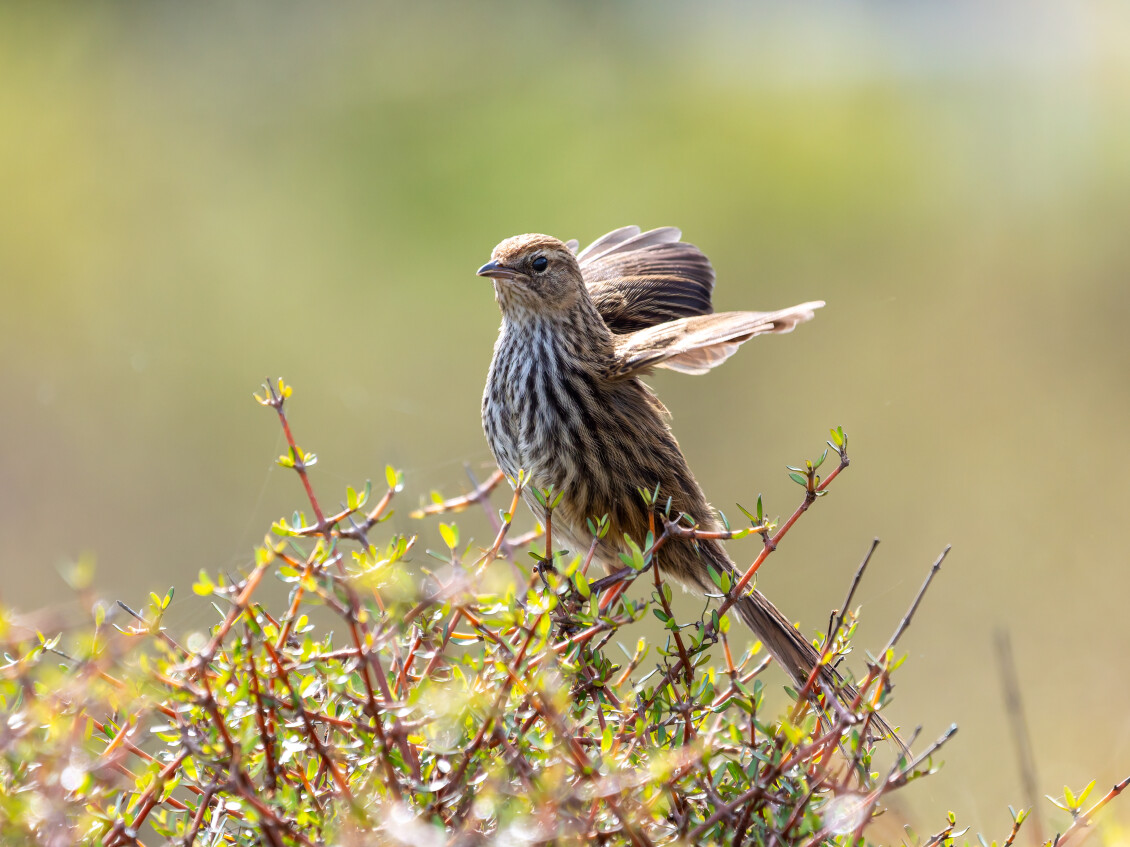
A native bird classified as regionally Threatened: Vulnerable has been discovered at Parangarehu Lakes after around 70 years without recorded sightings, highlighting the importance of ongoing efforts to protect and…

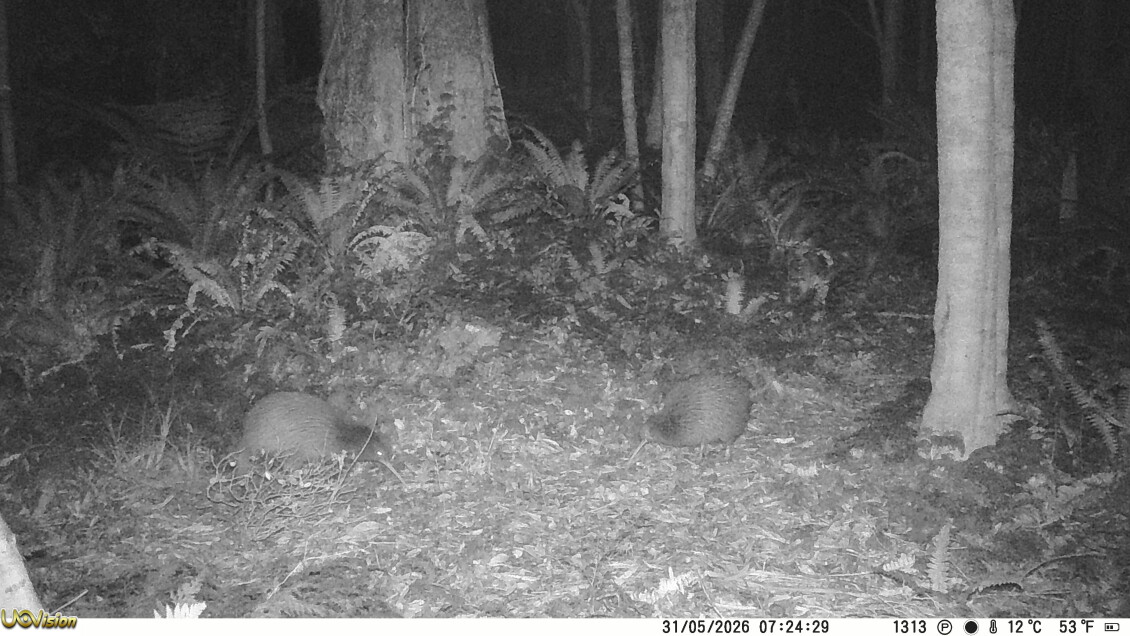
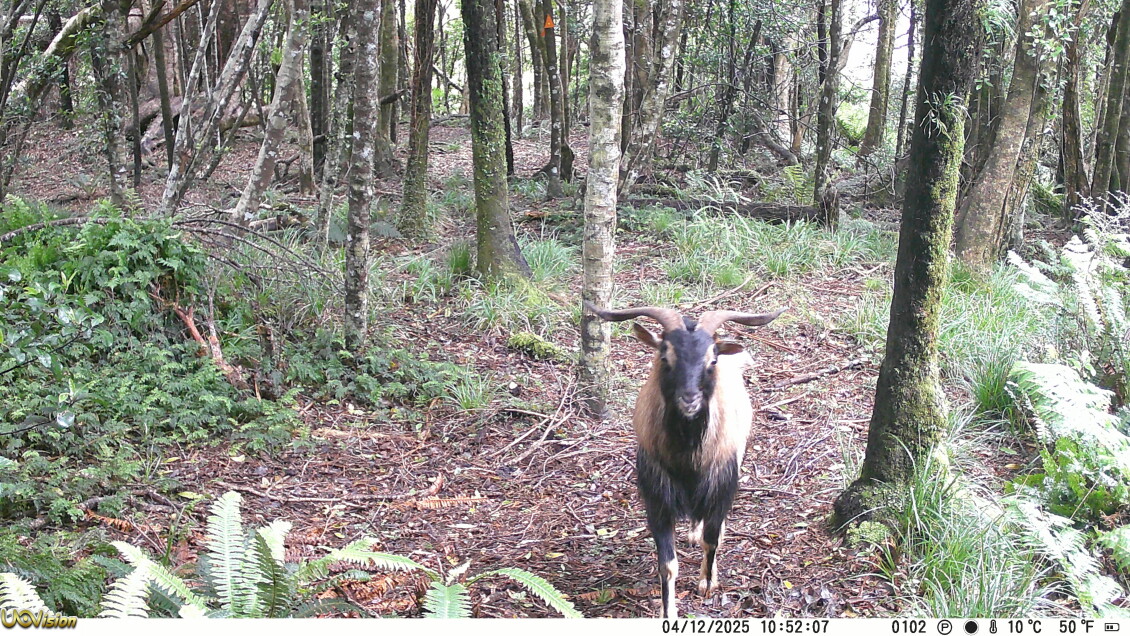
A 56% increase in the number of pest animals culled by Greater Wellington in the 2025/26 financial year is being attributed to new thermal hunting technology, and extra funding for pest control in the region’s 2024-34 Long-Term Plan.
11,578 pest animals were culled by staff last year, the highest number controlled by the regional council in the last five years. 40% were rabbits, 20% wild goats, 10% possums and 9% hares.
Greater Wellington Director of Operations Jack Mace says the new hunting tools have increased cull numbers across the council projects.
“Pest control is a core function of Greater Wellington, and our techniques continue to improve. We’re now using advanced technology like thermal drones, scopes, and viewers which means better night shoots,” says Mace.
“We’re working across a range of projects and stretching our funding further to deliver better results. Last week, we celebrated the planting of the millionth tree as part of our Recloaking Papatūānuku planting programme, and pest control gives the seedlings their best chance of survival.
“As well as protecting regenerating forest and nesting birds, culling pests helps vegetation recover without constant browsing.”
Greater Wellington Environment and Climate Committee Chair Quentin Duthie says the increase is consistent with community action to rid the region of pests.
“Our communities are leading the charge against invasive species. By setting thousands of traps in gardens, farms and regional parks the public has shown us the importance of protecting our precious ecosystems and taonga species,” Cr Duthie says.
“Last year, two community groups in Belmont Regional Park - Pareraho Forest Trust and Puke Ariki Pest Free - destroyed 1875 predators.
“Greater Wellington’s tally complements the effort of dozens of community groups, as well as Predator Free Wellington, Capital Kiwi, and the Wairarapa Pūkaha to Kawakawa Alliance.
“The public has voted with their traps and bait stations for better pest control from council, and we have responded.”
Greater Wellington also undertakes pest control for other councils and projects like WOWCAZUP, which aims to eradicate feral ungulates (pigs, deer and goats) from the Wainuiomata/Ōrongorongo water collection area.
The regional council has a Memorandum of Understanding with the Department of Conservation, which allows Greater Wellington to control pests in buffer zones outside Key Native Ecosystem sites, helping to prevent animals from entering targeted areas.
Under WOWCAZUP Greater Wellington has controlled 70% more animals in the Wainuiomata / Ōrongorongo water collection area and wider catchment (including the DOC buffer zone) than the previous year, supporting a local population of North Island brown kiwi and reducing browsing pressure on native seedlings and saplings.
“Effective pest control doesn’t happen in isolation – we work with city and district councils, and DOC to have an impact on pest animal populations,” Cr Duthie says.
“We also work with private landowners who live close to our regional parks to control animals before they make their way in.
“Our goal is a region where native plants and animals can thrive. Controlling pests protects wildlife and strengthens the health of our forests and waterways. It supports mana whenua, communities and businesses that rely on and identify with the wildlife and ecosystems that define the Wellington Region.”
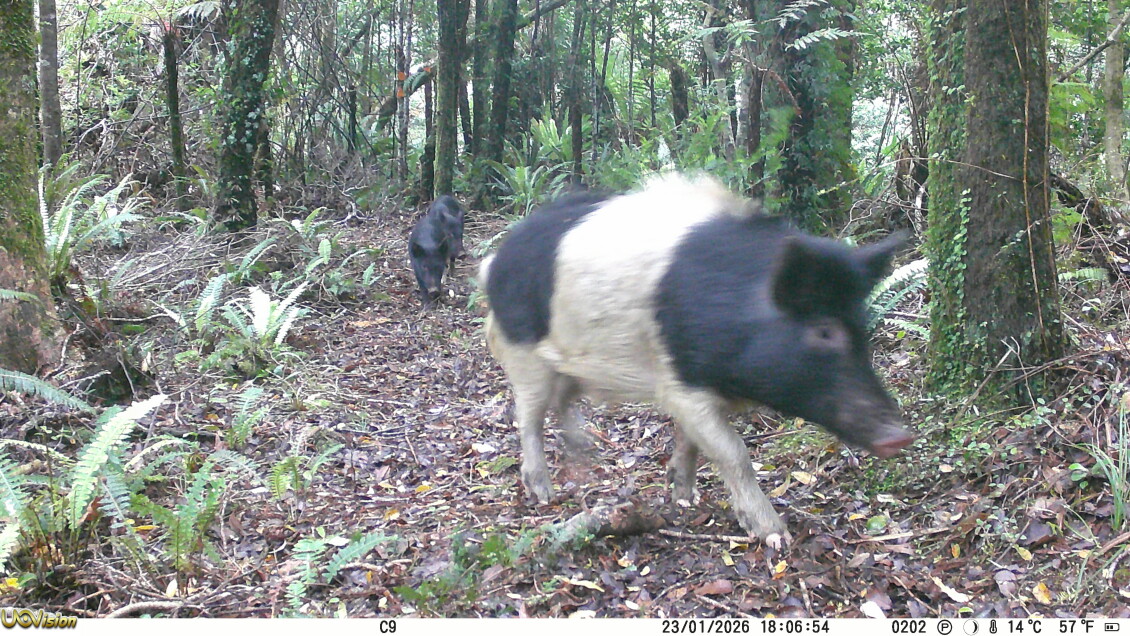
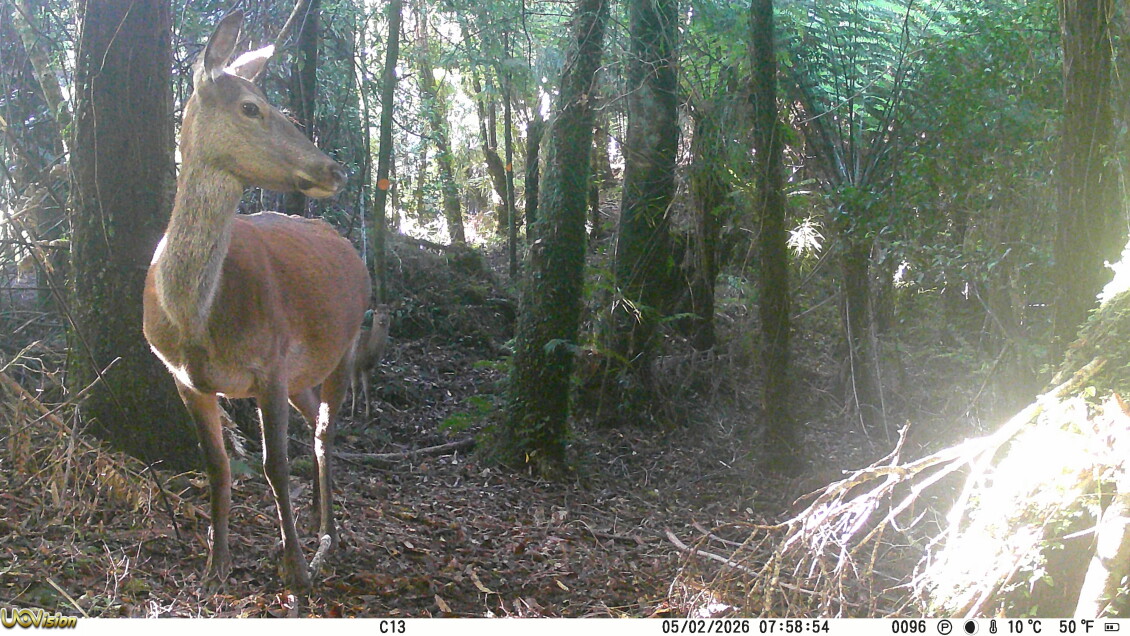
A native bird classified as regionally Threatened: Vulnerable has been discovered at Parangarehu Lakes after around 70 years without recorded sightings, highlighting the importance of ongoing efforts to protect and…

Greater Wellington has filed charges against Tiaki Wai and Wellington City Council following its investigation into alleged unlawful wastewater discharges from the Moa Point Wastewater Treatment Plant. The charges relate to…
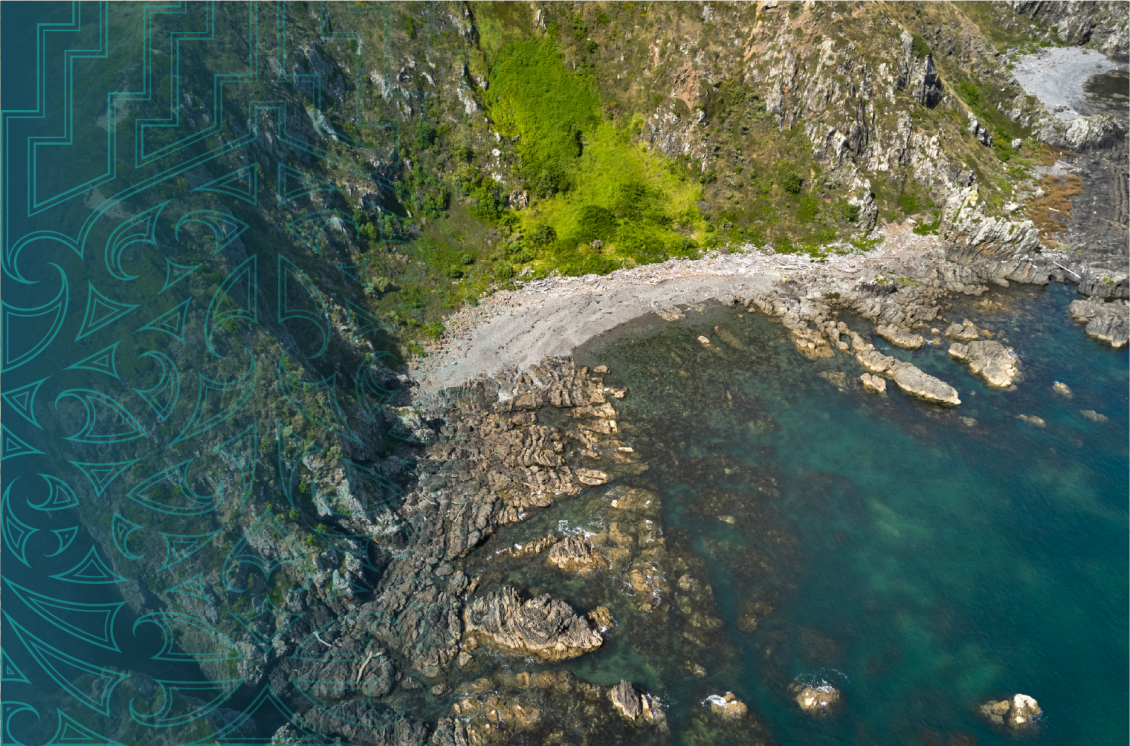
Following an independent investigation, Greater Wellington has filed charges in the District Court in Wellington relating to multiple non-compliance events at Moa Point Wastewater Treatment Plant (WWTP). The series of…